

Advanced Packaging Automation and Post-Packaging Pasteurization in Modern Meat Processing
Advanced Packaging Automation and Post-Packaging Pasteurization in Modern Meat Processing
*Note: This industrial guide was originally published in January 2022 and has been comprehensively updated in 2026 to reflect the latest European food safety standards and automation technologies.*
In the highly competitive global meat snack and ready-to-eat (RTE) market, establishing a secure microbial barrier during processing is only half the battle. The ultimate shelf life and commercial success of low-temperature meat products depend heavily on what happens after the product leaves the forming machine: Automated high-barrier packaging and secondary post-packaging pasteurization.
As food safety standards align with stringent European and North American regulations, tier-one meat processors are rapidly moving away from manual handling toward fully integrated, synchronized packaging solutions to eliminate secondary contamination risks.
1. The Science of Modified Atmosphere (MAP) and Vacuum Packaging
Exposing finished meat products to ambient air, light, and fluctuating humidity triggers rapid lipid oxidation and accelerates the growth of aerobic spoilage organisms. Isolating the food matrix from the environment is critical to protecting the product system's biochemical stability.
Modern industrial lines utilize two primary packaging methods to preserve this internal balance:
High-Vacuum Packaging: Removes atmospheric oxygen entirely, compressing the film tightly around products like casing-free meat sticks or blocks. This anaerobic environment completely stalls the metabolic pathways of aerobic mold and bacteria.
Modified Atmosphere Packaging (MAP): Replaces ambient air with a precisely calibrated gas mixture (typically a blend of Carbon Dioxide to inhibit bacteria and Nitrogen to act as a structural filler). MAP is ideal for delicate meat slices or premium sausages where product shape and appearance must be preserved under transport stress.
2. Selecting High-Performance Polymer Films for B2B Operations
The choice of packaging substrates is an engineering decision that directly impacts product yield and shelf life. Industrial-grade packaging materials must exhibit multidimensional performance indicators:
Oxygen and Moisture Barrier Properties: Superior gas isolation prevents external oxygen ingress and keeps essential moisture locked within the meat matrix, preventing product drying and weight loss.
Thermal Resistance for In-Package Processing: The film must withstand post-packaging thermal shocks without delamination or releasing chemical polymers into the food.
Tensile and Puncture Resistance: High mechanical strength is mandatory to withstand the high-speed sorting and mechanical impact of automated continuous packing lines.
3. Post-Packaging Secondary Pasteurization: The Final Safety Net
Even with advanced automated systems, transitioning products from forming and thermal units to the packaging machine introduces a micro-window for secondary environmental pollution. For high-risk products like sliced hams, barbecues, and continuous sausage links, **Post-Packaging Pasteurization** serves as the final, absolute safety control.
By passing the sealed packages through a continuous hot water spray or automated steam tunnel, the surface of the meat inside the pouch is rapidly heated to pasteurization thresholds (typically 75°C to 80°C for a short duration). This process eliminates surface pathogens picked up during handling while keeping the core texture intact.
4. Industrial Implementation: Engineering a Synchronized Flow
To maximize Return on Investment (ROI) and minimize labor overhead, the modern packaging line must operate in total synchronization with the upstream processing equipment. Advanced lines achieve this through unified automation:
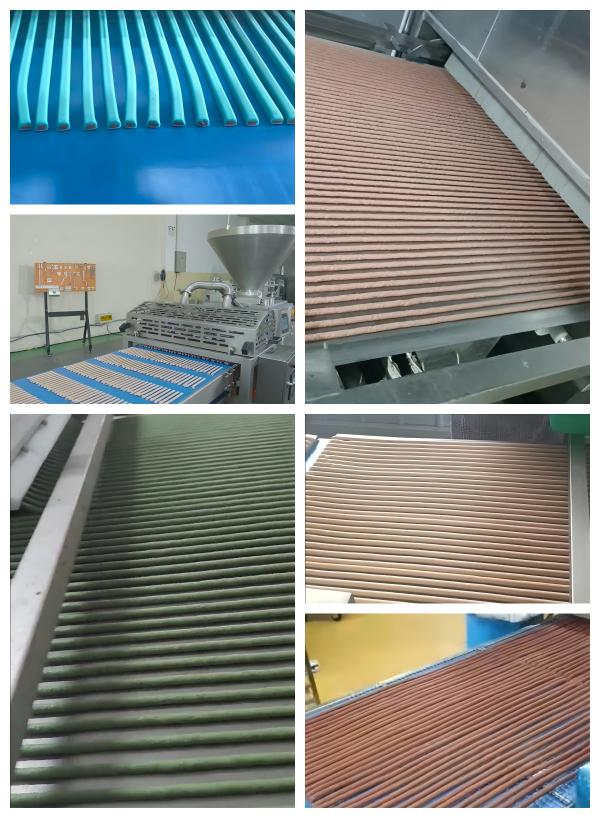
"Continuous material flow delivered by high-precision Vacuum Quantitative Fillers and automated Multi-Lane Forming Systems must connect seamlessly with high-speed thermoforming packaging machinery via synchronized servo-drives, feeding directly into continuous secondary pasteurization chillers."
This unbroken automated loop, paired with a constant cold-chain storage infrastructure maintained at 0°C to 4°C, allows food processors to confidently achieve extended commercial shelf life, maximize yield, and guarantee total food safety for global distribution networks.
Optimize Your Packaging Line Efficiency
Are you planning to upgrade your meat snack production with an automated, synchronized extrusion and packaging line? Contact the engineering team at Hebei Yuanchang to discuss customized turnkey layout configurations.