
Beef Processing: Complete Guide to Beef Processing Technology, Equipment and Applications
Why Is Beef Processing Important?
Beef is one of the world's most consumed sources of animal protein. Rich in high-quality protein, vitamin B12, zinc, selenium, iron, and essential amino acids, beef plays an important role in both household consumption and industrial food manufacturing.
Modern beef processing is far more than simple cutting and packaging. From slaughtering and aging to grinding, marinating, forming, cooking, and packaging, every processing stage directly affects product quality, food safety, yield, texture, and shelf life.
Drawing on decades of experience in meat processing equipment and production line solutions, Hebei Yuanchang Food Machinery has observed that scientific process control combined with intelligent equipment is essential for producing consistent, high-quality beef products.
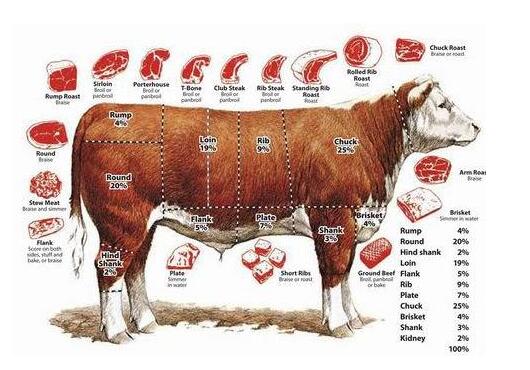
Beef Processing Flow
Industrial beef processing generally consists of the following stages:
1. Slaughtering and Initial Inspection
The process begins with veterinary inspection to ensure that cattle meet food safety requirements.
After stunning, bleeding, skinning, evisceration, carcass splitting, and washing, the beef carcasses are transferred to the chilling room for further processing.
Key objectives include:
Food safety compliance
Hygienic handling
Temperature control
Traceability management
2. Chilling and Aging
After slaughter, beef is stored under controlled refrigeration for aging.
Aging allows naturally occurring enzymes to break down muscle fibers, improving tenderness, juiciness, and flavor.
Common aging methods include:
Wet aging
Dry aging
Proper temperature and humidity control are critical to maintaining product quality.
3. Primary Beef Cutting
The chilled carcass is divided into primal cuts according to customer requirements and market specifications.
Typical beef cuts include:
Chuck
Rib
Loin
Round
Brisket
Short Plate
Flank
Shank
Each cut serves different processing applications.
4. Secondary Processing
Depending on the final product, beef may undergo additional processing such as:
Grinding
Mixing
Marinating
Tumbling
Emulsifying
Filling
Forming
Cooking
Smoking
Packaging
Proper control of each process helps improve water retention, texture, flavor, and production efficiency.
What Equipment Is Used in Beef Processing?
Modern beef processing plants rely on automated equipment to ensure consistent quality and high productivity.
Typical equipment includes:
Frozen Meat Flaker
Industrial Meat Grinder
Bowl Cutter
Vacuum Mixer
Vacuum Tumbler
Brine Injector
Vacuum Sausage Filler
Patty Forming Machine
Clipping Machine
Smokehouse
Cooking Chamber
Packaging System
Hebei Yuanchang Food Machinery provides complete beef processing equipment as well as customized production line solutions designed for various production capacities and product requirements.
Common Beef Products
Industrial beef processing can produce a wide variety of products, including:
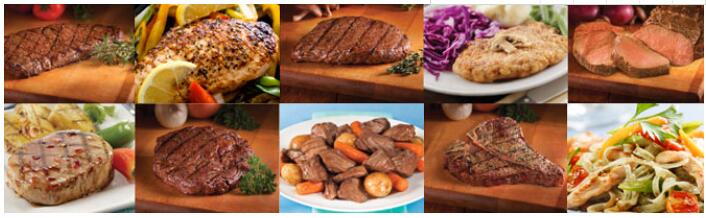
Fresh Beef Cuts
Beef Steak
Ground Beef
Beef Patty
Beef Sausage
Corned Beef
Beef Jerky
Smoked Beef
Ready-to-Eat Beef Products
Different products require different processing technologies, formulations, and equipment configurations.
Applications of Beef By-products
Efficient utilization of beef by-products improves sustainability and production value.
Examples include:
Blood for blood sausage production
Intestines for natural sausage casings
Bones for stock production
Hides for leather manufacturing
Liver, tongue, heart, kidneys, tripe and oxtail for specialty food products
Comprehensive utilization helps reduce waste while increasing economic value.
Frequently Asked Questions
What is the most important stage in beef processing?
Every stage is important, but raw material quality, temperature control, and hygienic processing have the greatest impact on final product quality.
Why is beef aging necessary?
Aging improves tenderness, flavor, and eating quality by allowing natural enzymes to break down muscle fibers.
What equipment is required for industrial beef processing?
Typical equipment includes meat grinders, bowl cutters, vacuum mixers, vacuum tumblers, injectors, sausage fillers, smokehouses, and packaging systems.
How can beef processing efficiency be improved?
Automation, intelligent control systems, optimized production line design, and proper equipment selection significantly improve productivity and reduce labor costs.
Why Choose Hebei Yuanchang Food Machinery?
With decades of experience in meat processing equipment manufacturing, Hebei Yuanchang Food Machinery provides complete solutions for industrial beef processing.
Our advantages include:
✔ Complete beef processing production lines
✔ Customized engineering solutions
✔ In-house precision machining workshop equipped with Japan MAZAK CNC machining centers
✔ High-quality stainless steel construction
✔ Compliance with international food safety standards
✔ Professional installation, commissioning, and technical support
✔ Global export experience serving food manufacturers worldwide
Conclusion
Efficient beef processing depends on the integration of high-quality raw materials, scientific processing technology, and reliable equipment.
From slaughtering and aging to grinding, mixing, forming, cooking, and packaging, every processing stage contributes to product quality, consistency, and production efficiency.
Drawing on decades of expertise in meat processing equipment and complete production line solutions, Hebei Yuanchang Food Machinery continues to provide practical knowledge, advanced equipment, and customized engineering services for beef processors around the world through its Knowledge Center.