
Chinese Sausage Manufacturing Process and Industrial Processing Technology
Editor's Note:
This article was updated in June 2026 to include modern sausage manufacturing technologies, industrial processing
equipment, and current industry development trends.
Introduction
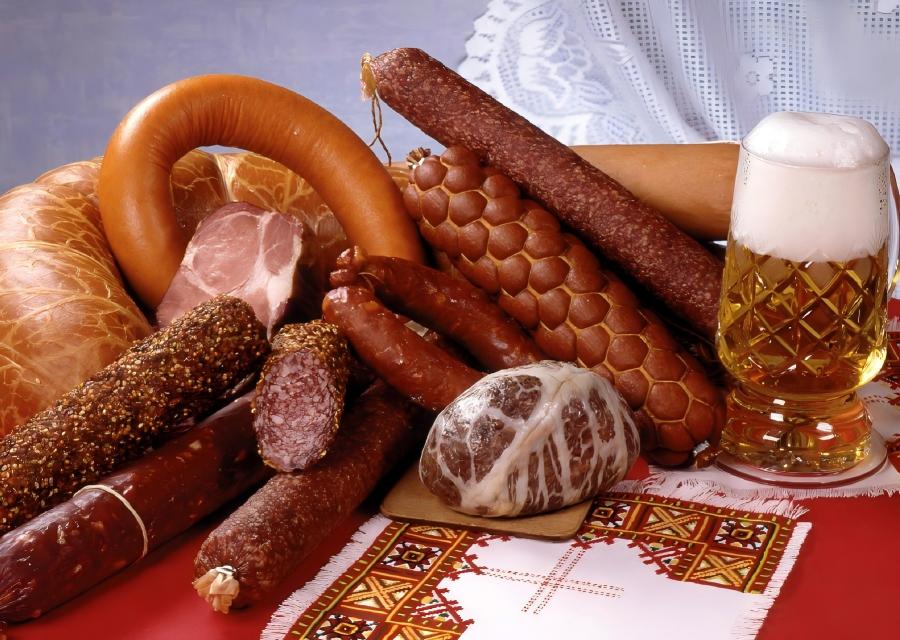
Sausage is one of the oldest processed meat products in human history. Traditionally, it is made by grinding meat, mixing it with seasonings, stuffing the mixture into natural or artificial casings, and then preserving it through drying, smoking, fermentation, or cooking.
In China, sausage has been enjoyed for centuries and remains an important part of regional food culture. Among the many varieties, Cantonese-style sausage and Sichuan-style sausage are the most well-known. Cantonese sausage is characterized by its slightly sweet flavor and glossy appearance, while Sichuan sausage is famous for its spicy taste and rich aroma.
Historically, Chinese families produced sausages before the Lunar New Year as a way to preserve meat during winter. Today, industrial processing technology allows high-quality sausages to be produced year-round while maintaining consistent flavor, texture, and food safety.
Main Types of Chinese Sausage
Cantonese Sausage
Cantonese sausage is typically made from pork, sugar, soy sauce, and rice wine. It has a sweet flavor, firm texture, and bright appearance.
Sichuan Sausage
Sichuan sausage contains chili peppers and Sichuan peppercorns, giving it a distinctive spicy and aromatic profile.
Smoked Sausage
Produced through smoking processes that enhance flavor, color, and shelf life.
Fresh Sausage
Fresh sausages require refrigerated storage and are usually cooked before consumption.
Cooked Sausage
Cooked sausages undergo thermal processing to achieve food safety and extended shelf life.
Industrial Sausage Manufacturing Process
Modern sausage production combines traditional recipes with advanced processing equipment and automated control systems.
The typical industrial process includes:
Raw Material Selection → Meat Cutting → Grinding → Mixing → Vacuum Tumbling → Emulsifying (if required) → Vacuum Filling → Linking/Hanging → Smoking or Cooking → Cooling → Packaging
Each processing stage directly influences the final product quality, including texture, water-holding capacity, flavor, appearance, and shelf life.
Key Equipment Used in Sausage Production
Frozen Meat Block Cutter
Used to process frozen meat blocks efficiently while minimizing temperature rise and preserving meat structure.
Meat Grinder
Controls particle size and creates the desired texture profile for different sausage products.
Vacuum Mixer
Ensures uniform distribution of meat, fat, spices, and functional ingredients while reducing air incorporation.
Vacuum Bowl Cutter
Performs high-speed cutting and emulsification to create stable protein-fat-water systems for emulsified sausages.
Vacuum Filler
Provides accurate portioning and consistent product shape while minimizing air pockets.
Smoking and Cooking Systems
Control temperature, humidity, and airflow to achieve the desired flavor, color, and microbial safety.
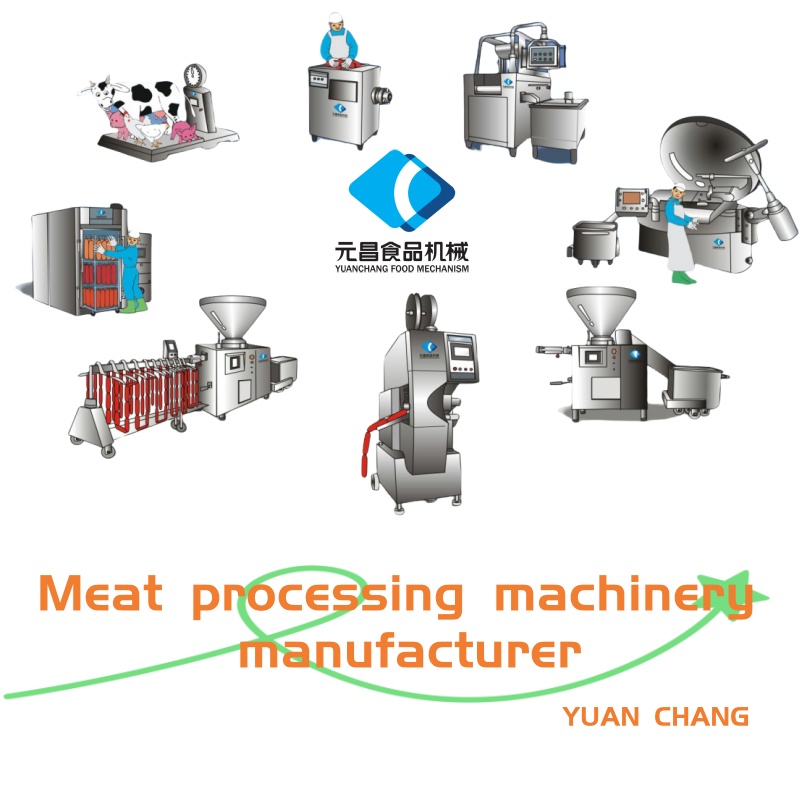
YuanChang Food Machinery provides equipment solutions for various stages of sausage processing, including cutting, grinding, mixing, emulsifying, filling, smoking, and packaging.
Factors Affecting Sausage Quality
Raw Material Quality
The quality of meat directly affects texture, flavor, and water retention.
Functional Ingredients
Proteins, starches, fibers, phosphates, and hydrocolloids contribute to product stability and processing performance.
Processing Parameters
Temperature control, vacuum level, mixing intensity, and cooking conditions all influence product consistency.
Equipment Performance
Modern processing equipment improves yield, reduces product variation, and enhances food safety.
Industry Development Trends
The global sausage industry continues to evolve toward:
Automated production systems
Intelligent process control
Clean-label formulations
Energy-efficient equipment
Improved food safety management
Sustainable manufacturing practices
Manufacturers increasingly focus on integrating advanced processing technologies with intelligent equipment solutions to achieve higher productivity, consistent product quality, and greater market competitiveness.
Conclusion
Although sausage originated as a traditional method of meat preservation, modern industrial production has transformed it into a highly sophisticated food manufacturing process. By combining high-quality raw materials, optimized formulations, advanced processing technologies, and reliable equipment, manufacturers can consistently produce safe, flavorful, and high-quality sausage products for consumers worldwide.
As a professional meat processing equipment manufacturer, YuanChang Food Machinery continues to provide reliable solutions for sausage production, meat preparation, and industrial food processing applications worldwide.
Frequently Asked Questions (FAQ)
We will continue to update this section with additional questions and answers related to sausage processing technology, meat processing equipment, product quality control, and industry developments.
Current topics include:
• What is the difference between fresh sausage and cooked sausage?
• What equipment is used in industrial sausage production?
• How can sausage quality be improved?
• What is vacuum filling technology?
Stay tuned for future updates as we continue to share practical knowledge and industry insights from modern meat processing operations.